Why Quality Engineering in Solar Matters More Than Low Price
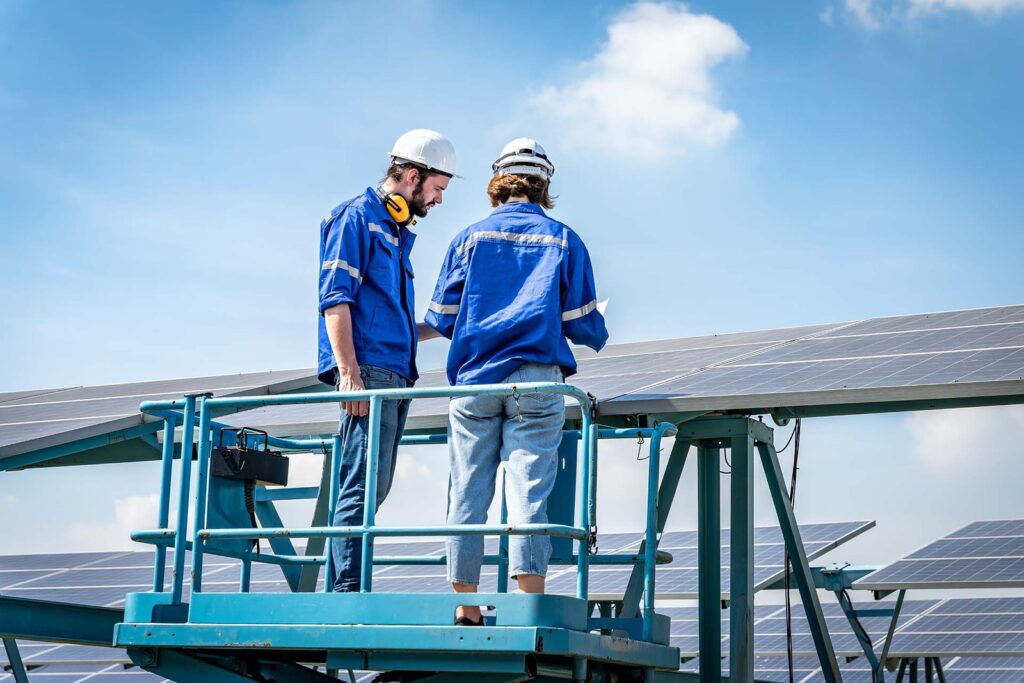
What Does “Quality Engineering” Mean in Solar? Quality engineering in solar means designing, installing, and commissioning a solar EPC company system based on load analysis, site conditions, safety standards, and long-term performance — not just placing panels on a roof. It ensures: The Problem With Choosing Solar Based on Price Alone As solar adoption increases, many customers receive multiple quotations with wide price differences. The cheapest quote often looks attractive — but it usually hides compromises. Common shortcuts in low-cost installations include: These issues are not visible on day one — they surface months or years later. Solar is an Engineering System, not a commodity. A solar power plant is a mini power station that must operate daily for decades. Proper engineering considers: This is why professional solar EPC services matter far more than panel prices alone. What Happens When Engineering Is Ignored? 1. Lower Energy Generation Poor system design can result in a 10–25% reduction in output over time. 2. Safety Risks Improper earthing and wiring increase fire and shock hazards. 3. Warranty Rejections Manufacturers often reject claims if installation standards are not followed. 4. Higher Lifetime Cost Cheap installations often require rework, repairs, or early replacement. How Engineering-Driven EPC Companies Add Value A professional EPC company follows a structured process: At Switchsol, every project is executed using engineering-first solar solutions designed for performance and durability. Quality Engineering Improves Solar ROI (Featured Snippet) A well-engineered solar system delivers: Even a small improvement in efficiency compounds into significant savings over 20–25 years. How to Choose the Right Solar Partner Before finalizing a solar installer, ask: If the answer is unclear, the risk is high. Conclusion Solar is a long-term investment. Choosing based on the lowest price may reduce upfront cost — but quality engineering protects your investment for decades. The right question is not “How cheap?” but “How reliable?”
How to Choose the Right Solar System for Your Home or Business
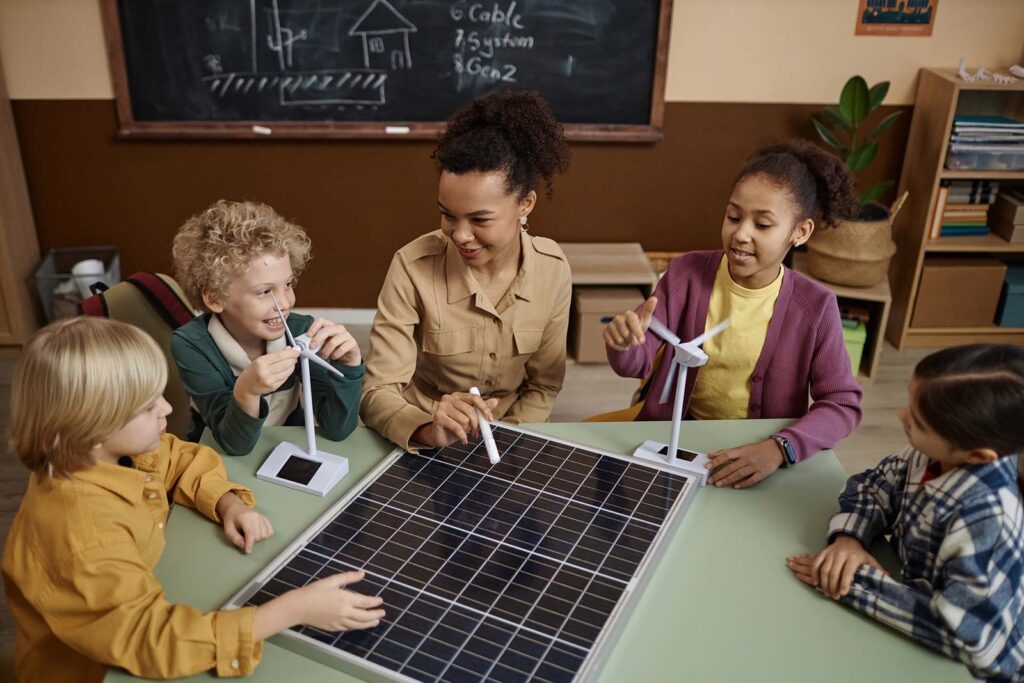
What Are the Types of Solar Systems? There are three main types of solar systems: Each serves a different purpose. Step 1: Understand Your Electricity Usage Check: This helps determine system size and configuration. Step 2: Choose the Right Solar System On-Grid Solar Best for homes and businesses with a reliable grid supply. Benefits: Off-Grid Solar Benefits: Ideal for remote locations or frequent power cuts. Hybrid Solar Best for users needing savings + backup. Benefits: Step 3: Assess Your Roof or Site Important factors: A professional site survey is critical. Step 4: Focus on Component Quality Always choose: Low-quality components reduce system life. Step 5: Select a Reliable EPC Partner A good EPC partner will: Conclusion The right solar system depends on your usage, location, and future goals — not just price. With proper planning and a reliable EPC partner, solar becomes a powerful long-term asset.
How Solar Is Transforming Rural India: Real Impact Beyond Electricity
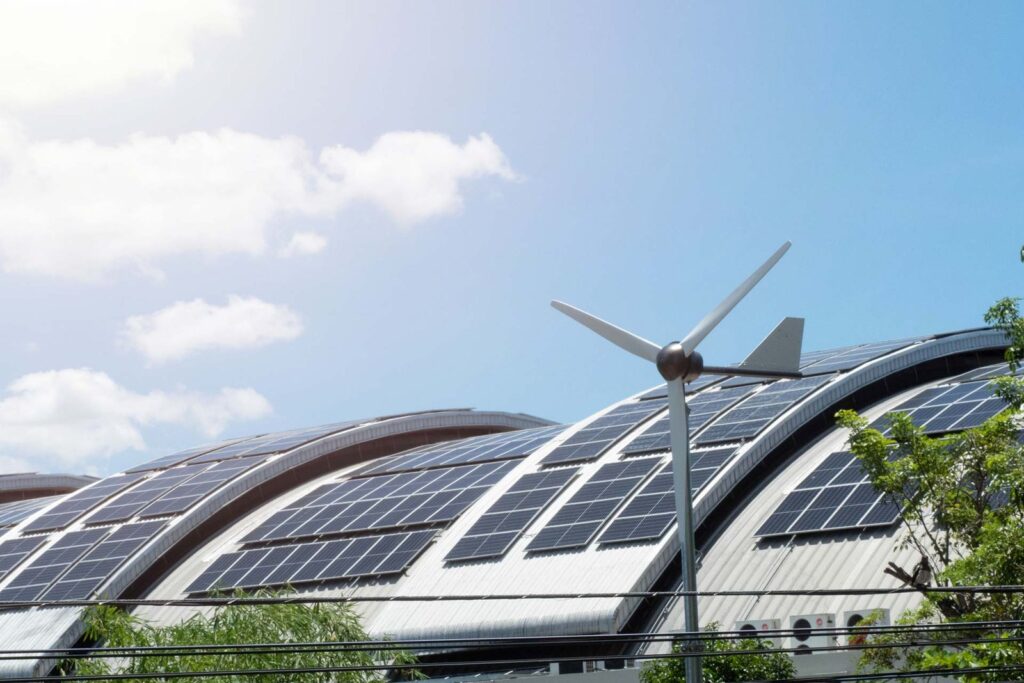
How Is Solar Helping Rural India? Solar energy helps rural India by providing reliable, affordable power without dependence on unstable grids or expensive diesel fuel. It supports: The Energy Challenge in Rural Areas Many rural regions face: Solar solves these challenges by generating power where it is needed, without fuel dependency. Solar Pumps: A Game Changer for Farmers Solar water pumps provide farmers with: This is why solar pumping solutions are becoming essential for sustainable agriculture. Solar for Public Infrastructure Solar installations support: By reducing electricity expenses, solar allows public funds to be used more efficiently. Economic & Social Impact of Rural Solar Economic Benefits Social Benefits Switchsol’s Role in Rural Solar Deployment Switchsol has executed multiple rural and semi-urban solar projects, including: Each project is designed with local conditions and long-term usability in mind. Conclusion Solar energy is not just powering homes — it is empowering communities. By enabling affordable, clean, and reliable power, solar is helping rural India build a more sustainable and self-reliant future.